


V R C O R P O R A T E N E X T


T
A
L
I
A
I
INDUSTRIA
SISTEMA
A VR CORPORATENEXT LANDMARK MASTERY PROJECT


T
A
L
I
A
I
ON THE INVESTMENT CUTTING EDGE

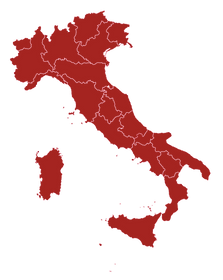
Through SISTEMA INDUSTRIA ITALIA, VR CORPORATENEXT provides a gateway for international enterprises seeking access to one of the most dynamic industrial ecosystems of the world, ITALY.
The venture promotes collaboration between businesses, Institutions, investors, innovation centres, and Public stakeholders while facilitating access to opportunities in manufacturing, technology, infrastructure, sustainability, and strategic development. It represents a practical framework through which enterprises can enter the Italian market with confidence, supported by wide expertise, solid relationships, and a comprehensive portfolio of services.
VR CORPORATENEXT is a Multidisciplinary Strategic Advisory Organisation designed to support enterprises, investors, Institutions, and Governments throughout every stage of market access, expansion, transformation, and long-term development through a large technical structure.
The Project and the Committee are presided over by Giovambattista Scuticchio Foderaro, Chairman, Founder, President, and CEO of VR CORPORATENEXT, the Departments and Divisions, the CENTER for GLOBAL STUDIES & Applied Sciences and the Scientific Committees.

Italy deployed a robust package of Tax Credits, Deductions, and Contribution Reliefs to stimulate Innovation, Digital and Green Transitions, Employment, Foreign Investments and Regional Development. These measures offer significant opportunities for companies investing in R&D, New Technologies, Energy Efficiency, and Employment boost.
CORE OPPORTUNITIES
NON-REPAYABLE GRANTS
SIGNIFICANT FUNDING ARRAY
ITALIAN EUROPEAN GATEWAY
BOUNDLESS TAX CREDITS
MULTIPLE FINANCIAL INCENTIVES
COMPREHENSIVE FACILITATION
FAST MARKET ENTRY
SUBSIDISED LOANS
VR's mission is to enable private and Governmental entities worldwide to successfully establish, operate, expand, and thrive within the Italian and European Economic Ecosystem, developing Projects and Strategies in PPP, PF, B2B, B2G and G2G between the EU Community and extra-Community enterprises, organisations and Institutions.
CORPORATE
FINANCE
ARCHITECTURE


In an increasingly complex Global Economy, market entry is no longer simply a commercial decision. It requires strategic vision, institutional understanding, regulatory expertise, financial intelligence, technological competence, and the ability to build trusted relationships across Public and private sectors.


PROTECTED CHAIN
GOVERNMENTAL GROUNDWORK
RISK-CENTRIC DIVERSIFICATION
STRUCTURED FINANCE
SUSTAINABLE LOCALISATION
MASSIVE DE-TAXATION
FLEXIBLE ALLOCATION
DYNAMIC SCALING
PROMPT EXECUTION


HIGH FINANCIAL SUPPORT AND DE-FISCALISATION THROUGH EXTENSIVE OPPORTUNITIES
UNLOCKING BULL MARKET OPPORTUNITIES
BOOT GATEWAY
PATENT BOX is the most important instrument for companies, at 210% Super-Deduction for Qualifying Intangibles. The reformed Patent Box Regime provides an additional 110% deduction on eligible R&D costs, resulting in a total deduction of 210% for tax purposes (IRES, the corporate income tax on company profits - IRAP, a regional business tax on productive activities). Qualifying expenses relate to the creation, development, and maintenance of intangible assets such as: Software protected by copyright, Industrial Patents, Registered designs and models. This super-deduction reduces the taxable base for income from the direct use or licensing of these assets. The overall fiscal benefit can reach approximately 30.69% when combining the standard IRES rate (24%) and IRAP (3.9%).
INTANGIBLE INVESTMENT AND PATENT BOX REGIME.
Technological Innovation and Ecological Transition activities receive a lower but stable Credit Rate, typically around 10%, covering Process Automation, Digital Transformation of production systems, and Advanced Manufacturing upgrades; design and aesthetic ideation activities also receive approximately 10% credit support with defined annual caps. The system is structured with expenditure ceilings commonly in the range of several million Euros per taxpayer per fiscal year, depending on category, and functions as a direct reduction of tax liability rather than a deduction, thereby providing immediate fiscal liquidity support and incentivising continuous investment in intangible productivity drivers rather than one-off capital formation.
R&D, INNOVATION, AND DESIGN TAX CREDITS.
Italy’s R&D and INNOVATION Tax Credit system constitutes a permanent structural incentive framework aimed at stabilizing long-term productivity growth and knowledge accumulation, with credits applied directly against Corporate Tax Liabilities based on eligible expenditure bases; R&D activities, defined in line with EU-standard classifications including fundamental research, industrial research, and experimental development, benefit from credit intensities generally ranging from 10% to 20% of eligible costs, with eligible expenditure including personnel engaged in R&D activities, contract research services, laboratory materials, prototyping costs, and depreciation of research equipment.
All R&D under the Patent Box programme is eligible for a 10% Tax Credit on eligible expenses, with a cap of 5 million Euros per company per year. Innovation and Design Credit the 5% rate, with ceilings up to 4 million Euros depending on the specific type of innovation or design project. Semiconductors, Microelectronics, and Strategic Supply Chains get dedicated R&D Tax Credit support for projects, as a measure that offers enhanced rates compared to the ordinary R&D Credit, often in the 20% to 35% range or higher, for qualifying investments. It complements broader innovation incentives and aims to strengthen Italy's position in critical technologies. These credits target a wide range of research, technological advancement, and creative design activities.
The "ZES" - Special Economic Zones, represent the most strategic component of Italy’s investment incentive architecture and one of the most competitive Industrial Development frameworks in Europe, characterised by exceptionally high levels of Public support, including a significant share of non-repayable funding. Designed to attract productive investment through either an Italian parent company with spin-off NEWCOs or standalone investment vehicles, the system - coordinated primarily through INVITALIA - integrates a broad set of financial instruments: ZES Tax Credits, non-repayable grants, subsidised financing, soft loans, employment incentives, innovation and R&D support, Patent Box advantages, Industry 4.0 incentives, and energy-transition measures, all combined with streamlined administrative procedures. ZES is a financing solution to support business growth, innovation, research and development, internationalisation, and industrial expansion.
SPECIAL ECONOMIC ZONES.
Within this framework, companies can finance a wide range of eligible investments, including the acquisition or leasing of operational and representative premises, industrial buildings, land, production facilities, machinery, equipment, advanced software systems, automation technologies, and intellectual property assets such as patents and trademarks. Investors can develop industrial, technological, logistics, commercial, energy, and research projects. It also extends to redevelopment, modernisation projects, plant upgrades, digital transformation and digitalisation initiatives, the implementation of advanced Industry 4.0 technologies, artificial intelligence, automation, cybersecurity, renewable energy, and sustainable production systems.
When properly structured, the cumulative effect of these measures - combining national, regional, and European funding streams - can result in an overall public support intensity ranging from approximately 25% to 85% of eligible investment costs, depending on the project typology, geographic location, company size, and sector of activity. Employment incentives can significantly reduce labour costs through social security exemptions and hiring subsidies, often for periods of up to three years. Further advantages arise from research and development incentives and the Patent Box regime, which rewards the creation and exploitation of intellectual property, proprietary software, know-how, and patented technologies.
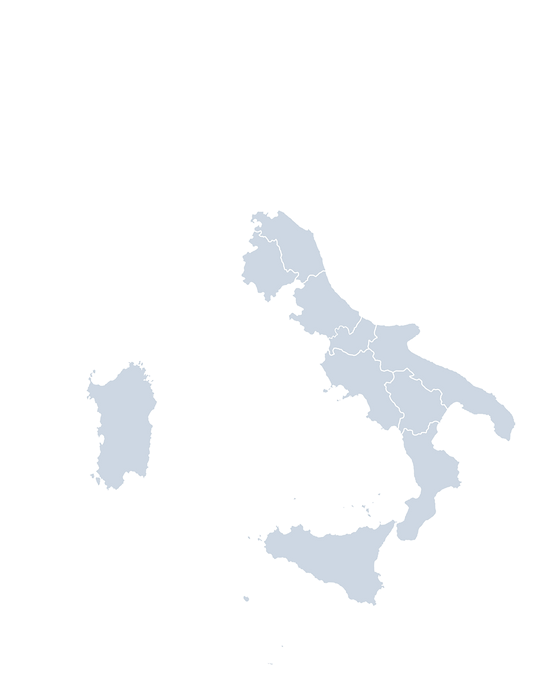
This makes the ZES territories - particularly Calabria, Basilicata, Sicily, Puglia, Campania, Molise, Abruzzo, Marche, Umbria, and Sardinia - among the most attractive investment destinations in Europe for establishing scalable industrial, technological, and innovation-driven operations, supported by substantial fiscal advantages and long-term structural incentives.
The "NUOVA SABATINI" scheme supports capital expenditure by SMEs, with larger operations, typically 500,000–4 million Euros per project, sometimes scaled via multiple applications, mainly carried out by medium-sized firms near the eligibility ceiling. The eligible investments include industrial machinery, production automation, advanced manufacturing systems, digital infrastructure, and energy-efficiency upgrades. This financial structure allows companies to obtain a bank loan or leasing at market rates or lower. The state provides a subsidy ("Contributo in conto impianti") calculated on a benchmark interest rate, proportional to the loan amount and duration.
NUOVA SABATINI INSTRUMENTAL BOOST.
This reduces the firm's effective cost of capital and improves project metrics such as IRR without altering the nominal debt. The subsidy enhances debt affordability and investment feasibility but does not replace banks' credit assessment (based on cash flows, EBITDA, DSCR, and leverage). Stronger firms therefore benefit most when scaling up. At larger scales, the scheme accelerates investment, promotes capital deepening, technology adoption, and productivity growth. It is often combined with other incentives (e.g., Industry 4.0 tax credits and others). However, it remains limited by SME eligibility rules, fixed subsidy duration, and budgetary caps. In essence, it serves as a marginal IRR-enhancement tool for bank-financed projects rather than a direct funding source.
INVESTMENT HYPER-DEPRECIATION.
Italy’s 2026–2028 Investment Super-Deduction Regime replaces earlier 4.0 Transition logic with an enhanced depreciation multiplier system that increases the tax-deductible cost base of qualifying Capital Investments rather than granting a direct Tax Credit. Under this mechanism, eligible investments in production assets, digital machinery, and certain energy-efficient equipment benefit from an uplifted fiscal cost basis equal to +180% for investments up to 2.5 million Euros, +100% for investments between 2.5 million and 10 million Euros, and +50% for investments between 10 million and 20 million Euros, meaning that for tax purposes the depreciable base becomes investment cost multiplied by (1 + uplift factor), thereby accelerating depreciation deductions over time and generating a deferred tax shield whose value depends on corporate income tax exposure and depreciation schedules rather than a fixed reimbursement rate.
Eligibility is generally restricted to assets located in Italy, compliant with technological interconnection or production efficiency requirements, and aligned with industrial policy objectives such as digitalisation and energy transition, making the regime fundamentally a timing and magnitude adjustment of taxable income rather than a cash-flow credit, and positioning it as the primary fiscal engine for industrial capital formation during the 2026–2028 investment cycle.


SIMPLIFYING OPERATIONS
ACCELERATING GROWTH
The sectors, scenarios, and areas of interest vary according to the targets, with extreme sensitivity and focus on ITALY, primarily through Project Assessment & Management activities, spanning the broad technical-operational and coordinative spectrum in project planning and execution of Infrastructural Projects.
Through the architecture activities put in place by VR CORPORATENEXT in Advocacy, Influence Matrix Analysis and complementary strategies in Public Affairs, stakeholders can count on extreme executability made possible by the additional contribution of innovative tools and systems provided by top-tier global partners in Corporate & Business Intelligence, Due Diligence & Due Care, Performance Monitoring, Risk Prevention, Assessment & Management as well as Critical Event, Emergency & Contingency Management, protection programs and all necessary to support and guide purposes and ventures, both local and international.
Market Establishment, Offshoring, Inshoring/Reshoring, Commercial Network Development, Transition, Mergers, Acquisitions, Disposals in M&A, Enterprise & Corporate Governance with administrative support in Stewardship, Ceremonial and Protocol in Economic Diplomacy, Trade and Business Development, represent the blueprint of the operations provided by VR CORPORATENEXT and the associated specialists.
The completion and definition of the offer stands on an international scale in Growth Strategies and Ambassadorship. Italian and foreign stakeholders can also be assisted through structural and commercial specialties such as Startup & New Venture Development, Metamorphosis and Digital Transformation/Transition, Tender Management, Bid Architecture, Procurement/Provisioning and strategies in Sales/Purchase and other complex technical activities.

PROGRAMS
GOVERNMENT-BACKED
INVESTORS
INSTITUTIONAL
ITALIAN
FOREIGN

Italy is currently one of the largest Public-private investment platforms in Europe, combining Government-backed Programs, European Union funding, Tax Incentives, Infrastructure Modernisation, Energy Transition Policies, and Industrial Competitiveness Measures.

For foreign institutional investors, sovereign wealth funds, infrastructure funds, pension funds, private equity groups, real estate developers, hospitality operators, utilities, and multinational corporations, the country offers several strategic sectors in which Public Policy is actively creating investment opportunities with significant potential for capital deployment.


The "FAST TRACK" - "Contratto di Sviluppo" (actioned between the Ministry of Enterprises and Made in Italy and INVITALIA) is an accelerated procedure within Italy's "Contratto di Sviluppo" framework designed to fast-lane approval and funding for large, strategic industrial investment projects. As a Strategic Public Investment Acceleration Tool, it integrates funding, permitting, and coordination into a single streamlined process to attract and execute large-scale industrial projects more efficiently in Italy.
It applies to high-impact initiatives, typically around or above 50 million Euros in investment, though strategic relevance is the key criterion, such as advanced manufacturing, green transition projects, digital industry, and supply chain strengthening. Its core purpose is to reduce administrative time and complexity by replacing fragmented, sequential authorisations with a single coordinated process. This agreement aligns all stakeholders from the outset and enables the parallel handling of permits, assessments, and funding decisions. Funding can include grants, subsidised loans, and regional/national co-financing, depending on the project's structure and eligibility.
ENTERPRISES DEVELOPMENT
The "PIANO CASA" - Housing Plan - is emerging as a major real estate investment theme that leverages private capital multipliers to amplify public resources, with a priority on metropolitan areas and distressed zones. The ITALIAN GOVERNMENT's objective is to support the development and renovation of approximately 100,000 housing units over the coming decade through a combination of Public Funding, Private Capital, Urban Regeneration Initiatives, and PPP - Public-Private Partnerships.
The overall investment framework exceeds 10 billion Euros (including 1.7 billion Euros for immediate recovery of 60.000 unused public housing units + 4.8 billion Euros for urban regeneration + 3.6 billion Euros channelled via INVIMIT - Investimenti Immobiliari Italiani SGR and other instruments) targeting affordable housing, build-to-rent projects, student housing, workforce accommodation, and the redevelopment of underutilised Public Assets. In major economic centres such as Milan, Rome, Bologna, Florence, and Turin, the project creates a long-term imbalance in demand that can be addressed through large-scale residential platforms.
REAL ESTATE & SOCIAL HOUSING

ZES
unica


The SPECIAL ECONOMIC ZONES ("ZES Unica") represent one of Europe's most significant industrial investment incentives. The program provides Tax Credits, accelerated permitting procedures, and investment facilitation mechanisms across ten Italian regions. The strategic importance of the SEZ extends beyond incentives. Italy offers proximity to EMEA markets, access to Mediterranean corridors, abundant energy resources, and lower operating costs compared to many Western European industrial areas.
Key sectors include advanced technologies and manufacturing, logistics, food, aerospace, pharma, energy production, automotive, export-oriented industrial facilities, and so many others. As global supply chains continue to shift toward reshoring and nearshoring, Italy is becoming increasingly attractive as a gateway to European and Mediterranean markets.
ENTERPRISES DEVELOPMENT
SIMEST and SACE are both part of the Export and Internationalisation Hub of the "CDP Group" - Cassa Depositi e Prestiti, and work together in a highly complementary way: SIMEST helps finance the investments and promotional activities needed to grow in international markets, while SACE protects against the risks that come with operating overseas.
Through the Fund 394/81, it supports concrete projects to expand business abroad; these two Authorities are among the most powerful and advantageous instruments the Italian System offers, opening or strengthening commercial offices, showrooms, warehouses, service centres, participating in trade fairs and events, developing online and offline platforms, hiring Temporary Export Managers, obtaining certifications and specialised consulting, and carrying out digital or green transition projects.
EXPORT & FOREIGN MARKETS
Italy's 4.0 INDUSTRY PLAN and the broader 4.0 TRANSITION Framework continue to support modernisation of Italy's manufacturing sector, the second-largest industrial base in Europe. The government has committed billions of Euros through Tax incentives, innovation Credits, and digital transformation programs aimed at increasing productivity and technological competitiveness.
Investment opportunities are concentrated in robotics, automation, artificial intelligence integration, precision engineering, aerospace, medical technology, advanced manufacturing systems, industrial software, cybersecurity, and research-intensive production sectors. Italy's manufacturing ecosystem includes thousands of highly specialised, world-class technical capabilities SME-sized, creating significant acquisition opportunities for private equity and strategic investors.

PIANO NAZIONALE
Transizione 5.0

Italy's 5.0 TRANSITION PLAN is an incentive program that supports companies investing in Digital Transformation and Energy Efficiency. It is the successor to the 4.0 Industry and 4.0 Transition initiatives and replaces earlier mechanisms such as hyper-depreciation. The scheme provides Tax Credits for investments in advanced machinery, digital technologies, software, renewable energy systems, and employee training.
To qualify, companies must achieve measurable energy savings, either by reducing the energy consumption of a production facility by at least 3% or that of a production process by at least 5%.
By linking financial incentives to both Technological Innovation and Energy Efficiency, the 5.0 Transition Plan aims to enhance industrial competitiveness, accelerate decarbonization, and support Italy's sustainable economic growth.
INNOVATION & TECHNOLOGY
a regime
FER X

The Energy Decree "FER X a regime" - at full regime, given the green light from the European Commission, unlocks 23 billion Euros in governmental aid to support the deployment of 37.15 GW of new renewable energy capacity in Italy from technologies such as photovoltaic, onshore wind, hydroelectric, and purification gas plants. This plan equals roughly 48% of Italy's current installed renewable capacity and plays a crucial role in achieving the national target of 39.4% of gross final electricity consumption from renewable sources by 2030 - "Energia Clima".
Access is split between GSE auctions covering approximately 27.15 GW for larger plants and a simplified direct-access mechanism for around 10 GW reserved for smaller plants of up to 1 MW, ensuring revenue stability. The scheme provides long-term certainty for investors, accelerates Italy's decarbonisation efforts, and contributes to greater stability in energy prices.
Italy's ULTRA-BROADBAND (BUL) Strategy is a large-scale National Digital Infrastructure Program aimed at deploying very high-capacity networks nationwide, with speeds up to and beyond 1 Gbps and coverage targets exceeding 6.8 million Euros premises. The program is supported by more than 6,7 billion Euros in Public Funding under the "PNRR" - National Recovery and Resilience Plan.
For foreign investors, the core economic advantage lies in the PPP - Public-Private Partnership model. Revenue opportunities are diversified across wholesale fibre access, RTS, E&C connectivity, cloud infrastructure, data centres, edge computing and smart infrastructure services, creating multiple long-term recurring cash-flow streams. Investors can benefit from general investment incentives, innovation Tax Credits, accelerated depreciation schemes, and regional development programs, thereby improving post-tax returns.
ULTRA CONNECTIVITY
BESS
BATTERY ENERGY STORAGE SYSTEMS
H2
+
DATA CENTER PLAN
Ministry of Enterprises and Mady in Italy
Italy's Energy Transition offers major opportunities in BESS and Green Hydrogen, altogether making it the largest long-term capital deployment in the country. Achieving European Decarbonisation targets requires investments exceeding 300 billion Euros by 2030 across renewables, grid modernisation, energy storage, electrification, hydrogen projects, and industrial decarbonisation. The market supports project finance, platform acquisitions, joint ventures with developers, utility-scale infrastructure investments, and PPP - Public-Private Partnerships. BESS is essential for grid stability and renewable integration, with Italy targeting multi-GW/GWh capacity by 2030, including Terna's focus on around 42 GWh utility-scale needs, especially in the South.
Paired grants and Tax Credits can reach 40/50% in some schemes when co-located with solar or agrivoltaics, delivering predictable revenues and strong bankability for project finance. BESS and hydrogen are a strong match, complementing solar growth for green hydrogen production and long-duration storage.
Data centres and digital infrastructure represent one of the most attractive investment opportunities in Italy, driven by accelerating demand for artificial intelligence, cloud computing, hyperscale services, and enterprise digitalisation. The Italian Government has introduced a range of incentives and strategic measures. The most significant national scheme is the "Transizione 5.0" program, which provides Tax Credits of up to 45% for investments that improve energy efficiency through advanced digital technologies, efficient cooling systems, automation, and smart energy management.
In Southern Italy, projects may also benefit from the "ZES Unica" incentive, which can deliver effective tax credits exceeding 60% of eligible capital expenditure, subject to EU State Aid rules and regional eligibility requirements. Additional support is available through EU Regional Aid Programs, which can provide investment grants ranging from 30% to 60% depending on location and company size. Accelerated permitting procedures undertake strategic project recognition, grid connection support, and access to infrastructure financing programs.
DIGITAL SYSTEMS BOOST
MULTI-LEVEL BENEFITS FRAMEWORK
AGRI-FOOD

The Italian AGRI-FOOD Sector benefits from a robust multi-level incentive framework that combines EU Common Agricultural Policy (CAP) 2023-2027 resources with national PNRR - National Recovery and Resilience Plan, and fiscal measures to drive sustainability, innovation, supply chain integration, and Southern development through SEZ - Special Economic Zone.
The EU CAP 2023-2027 (Italy's allocation ~€36.6 billion Euros total public expenditure), with direct payments (~€17.6 billion), supports farmer income, eco-schemes (at least 25% of direct payments for environmental practices like carbon farming and animal welfare), and risk management (~€3 billion Euros for ~800,000 farmers against climate events). Rural development (EAFRD, ~€15.7 billion including co-financing) funds investments in innovation, young farmers, short supply chains, agritourism, and diversification. The "Fondo Rotativo Contratti di Filiera" - Revolving Fund Agricultural Supply Chain Contracts: 4 billion Euros managed by ISMEA - Institute of Services for the Agricultural and Food Market for integrated supply chain projects (production, processing, commercialisation) via non-repayable grants and subsidised loans.
The "Agriculture 4.0 Tax Credit" offers 40% on new 4.0 tangible/intangible assets (machinery, software, etc.) up to 1 million Euros per company (annual cap ~€2.1 million Euros), for 2026-2028 investments in primary production. The "ZES Unica Mezzogiorno" (extended to 2028) Tax Credit is up to 58.78% (micro/SMEs) or 58.61% (large enterprises) for primary agriculture, fisheries, and aquaculture investments in Southern regions (min. 50,000 Euros threshold, max 100 million Euros/project). These tools emphasise green transition, digitalisation (4.0 tech), supply chain resilience, and Southern attraction. Access varies by project type, company size, location, cumulation rules and applications.
"COLTIVAITALIA", is the Italian Government's 1 billion Euro national agricultural project, under the Authority of the Ministry of Agriculture Food Sovereignty and Forestry, is a major standalone national investment that complements European funds; a set of agricultural support measures in Italy rather than a single official program, and it refers to the mix of Public incentives designed to help strengthen Italian farming, boost food sovereignty, support key supply chains, promote young farmers, drive innovation and agrifood businesses start or grow their activities through funding, subsidies, and loans mainly coming from the European Union Common Agricultural Policy, national agricultural policies, and regional Rural Development Plans.
Selecting a specific funding measure such as startup support, investment aid, modernisation grants, or sustainability incentives, the application is submitted through regional portals, ISMEA - Institute of Services for the Agricultural and Food Market systems, Regional PSR, and other platforms, requiring detailed business plans evaluated on feasibility, impact, and innovation.
The plan allocates roughly 300 million Euros to the Food Sovereignty Fund for strategic crops like durum wheat and soya to reduce import dependence, 300 million Euros to the "Allevamento Italia" livestock program, especially for beef cattle, to reduce foreign meat reliance, and 300 million Euros to the National Olive Oil Plan for replanting resilient olive groves and restoring production capacity. Additional resources go to research and strengthening CREA - Council for Agricultural Research and Analysis of Agricultural Economics, generational renewal with easier land access and credit for farmers under 41, including free concessions for at least 10 years, female entrepreneurship in agriculture, technological innovation, precision farming, infrastructure, and simplification of procedures.
FARMING & TECHNOLOGY DEVELOPMENT
"FONDO NAZIONALE del TURISMO" primarily acts as an equity/real estate vehicle (650 million Euros subscribed + leverage to 2 billion Euros) for property acquisition/renovation by professional operators and investors, focusing on sustainability and digitalisation with no standardised direct percentage grants to end-users. Rather than providing direct grants, it supports the acquisition, redevelopment, and enhancement of tourism assets through partnerships with professional operators and investors. The main source of direct support is FRI-Tur - Fondo Rotativo Imprese Turistiche, a 1.38 billion-Euros program available to eligible tourism businesses across Italy. It finances projects between 500,000 and 10 million Euros through a combination of non-repayable grants of up to 35% of eligible costs and subsidised loans at approximately 0,5% interest, with total public support potentially covering up to 100% of investment costs.
HOSPITALITY DEVELOPMENT
Zero-interest financing of 80–90% (90% forwomen/youth startups), plus 30% non-repayable, in southern regions; dedicated SME guarantees and EIB funds for sustainability/innovation. Further support is provided through the "Fondo per il Sostegno alle Imprese del Turismo 2026", which offers a 30% non-repayable grant, up to 4.5 million Euros, combined with subsidised financing covering up to 70% of eligible costs. In addition, accommodation facilities may benefit from PNRR-linked Tax Credits of up to 80% for investments in sustainability, seismic safety, accessibility, and digital transformation, with measures including zero-interest financing, SME guarantee schemes, and dedicated sustainability funds. Together, these programs represent a significant source of financial support for tour operators undertaking renovation, modernisation, and innovation projects in Italy.
TOURISM DEVELOPMENT

TECHNICAL SCIENTIFIC COMMITTEE

GIOVAMBATTISTA
SCUTICCHIO FODERARO
CHAIRMAN
FOUNDER · PRESIDENT · CEO
VR GROUP


TAKE OVER ALTERNATIVE DISRUPTOR.
The acquisition and restructuring of distressed companies in Italy constitute a highly specialised investment strategy capable of generating significant value by purchasing, rehabilitating, and repositioning businesses affected by financial distress, insolvency proceedings, bankruptcy, preventive composition arrangements, or pre-insolvency situations.
The model combines distressed debt acquisition, legal and financial restructuring, corporate reorganisation, and access to national and European development incentives. By integrating legal, financial, banking, and institutional expertise, investors can acquire assets at substantial discounts to their historical market value and subsequently restore enterprise value through structured recovery and growth programs.
Under the "Codice della Crisi d’Impresa e dell’Insolvenza" (CCII), "rescue-first" framework, the market emphasises early intervention and negotiated solutions. In 2025–2026, the pipeline remains strong with ~13,000–13,400 insolvency cases annually and over 3,400 "Composizione Negoziata della Crisi" (CNC) applications. The NPL/NPE secondary market generates ~€22 billion yearly, with opportunities in manufacturing, construction, retail, hospitality, automotive, real estate, and chemicals. Assets are typically acquired at deep discounts, 30–70% off historical/going-concern values, while NPLs are often at 20–25% of gross book value. Value is unlocked via CNC negotiations, super-priority financing, debt haircuts, operational turnarounds, and cram-down mechanisms.
TAX ADVANCE PRICING AGREEMENT (APA).
VR Corporatenext supports foreign groups establishing an Italian PE or subsidiary in accessing Italy’s "Regime di Adempimenti Collaborativi" with the Agenzia delle Entrate (Italian Revenue Agency). An APA is a pre-agreed ruling with the Italian Revenue Agency defining the tax treatment of cross-border intra-group transactions, aimed at ensuring tax certainty, reducing transfer pricing disputes and audit risk, and strengthening contractual position with foreign entities. There are three APA types: unilateral (Italy only, 6–12 months), bilateral (Italy plus one country, 18–24 months, reducing double-taxation risk), and multilateral (multiple countries, 24–36+ months).
APAs are particularly relevant for groups with international operations, IP, financing structures, or holding/operating companies, to secure the tax treatment of royalties, management fees, financing, and other intercompany flows and to improve predictability for investors and lenders. Additional benefits may include Tax Credits (approx. 10–45%) for eligible investments linked to acquisitions, securitisation, or newco formations, with strategic cases potentially discussed with the Ministry of Enterprises and the Made in Italy – Foreign Investment Attraction Unit, with timelines targeting initiation from every June and completion by July.
INDIVIDUAL BENEFITS.
The PERSONAL FLAT TAX REGIME (Art. 24-bis "TUIR" - Consolidated Text of Taxes on Income) is aimed at high-net-worth individuals with predominantly foreign-source income, including dividends, interest, capital gains, rental income, pensions, and similar categories. It introduces an annual substitute tax of 300,000 Euros for the main taxpayer (effective from 1 January 2026 transfers), independent of income volume, valid up to 15 years, revocable at any time and automatically lapsing upon non-payment. Family members may join the regime for an additional 50,000 Euros per year each, subject to non-residency conditions.
Italy provides two main individual benefit frameworks for non-EU clients: a preferential Tax Regime for High-Net-Worth Individuals and a residence-based investment/entrepreneur pathway.
The INVESTOR VISA requires a qualifying capital allocation in Italy, choosing between 2 million Euros in Government bonds, 500,000 Euros in Italian companies, 250,000 Euros in innovative startups, or a 1 million Euro donation to qualified Public-interest sectors such as Culture, Research, Education, Environment, or Social projects. It grants a 2-year residence permit, renewable in 3-year periods, provided the investment is maintained, and is designed for passive capital deployment. In parallel, the Startup Visa targets active entrepreneurs and executives in innovative startups, either newly founded or already operating (minimum 3 years), granting a 1-year self-employment residence permit renewable as long as the business remains active and compliant, emphasising operational entrepreneurship and innovation.
The "5.0 TRANSITION PLAN" combines Digital Transformation with Energy Savings. It offers a variable Tax Credit ranging from 5% to 45%, scaled by the achieved reduction in energy consumption (at least 3% at the facility level or 5% at the process level). Higher rates apply to greater savings: up to 45% for the highest reduction brackets in the first investment tranche (up to 10 million Euros after recent simplifications). Lower rates (starting at 5%) apply to larger investment amounts, and eligible expenses (up to 50 million Euros per project) include new 4.0 capital goods, renewable energy self-consumption systems, and staff training in green-digital skills.
The cornerstone of the "4.0 NATIONAL INDUSTRY PLAN" grants Tax Credits for investments in new tangible and intangible assets (machinery, equipment, software, and systems meeting interconnection requirements). Current rates are 20% on investments up to 2.5 million Euros, 10% on the portion between 2.5 million and 10 million Euros, and 5% on the portion between 10 million and 20 million Euros. The credit applies to all enterprises that meet the 4.0 technical requirements.
HOW
IT
WORKS
FREE INTRODUCTORY ACCESS
FREE TECHNICAL ASSESSMENT
FREE GENERAL PROCEDURE ANALYSIS
FREE FUNCTIONAL & OPERATING AUDIT
TECHNICAL & TRADE OFFER
ADVISORY & OPERATIONAL AGREEMENT
II
I
III
IV
V
VI


CAPITAL INVESTMENT INCENTIVES.
The broader capital investment incentive system in Italy operates through a combination of direct Tax Credits and enhanced deduction mechanisms designed to stimulate fixed asset formation, with the originally 4.0 Transition and evolving 5.0 Transition frameworks forming the structural basis; under these regimes, qualifying capital expenditures historically benefit from direct Tax Credits in the approximate range of 20% for smaller investment brackets, declining toward approximately 5% for larger capital deployments up to the 20 million Euros threshold, with credit intensity dependent on asset type, investment size, and compliance with digital integration criteria.
The 5.0 Transition framework further introduces an energy performance condition requiring measurable efficiency improvements typically in the range of 3%–5% reduction in energy consumption depending on production process classification, thereby linking fiscal support to environmental performance outcomes rather than pure capital spending; this system operates as a hybrid between fiscal subsidy and industrial policy instrument, where the credit formula is generally expressed as Tax Credit = eligible investment × applicable rate, but the effective benefit is constrained by certification requirements, investment caps, and performance thresholds, making capital allocation decisions increasingly dependent on compliance with measurable productivity and decarbonization metrics rather than purely financial considerations.
All ADVISORY and STRATEGIC CONSULTING can be financed at 20% to 100% non-repayable, with a few other conditions, from 30% to 80%, a good part of which will be delivered by VR and the specialists (sometimes retroactively). Furthermore, for this and other similar services, there is a double-taxation exemption, as for VAT and other analogous impositions. In any case, the majority of companies and corporate forms/entities, see these costs as almost totally tax-deductible from taxable revenue.
EMPLOYERS can benefit from a 50% reduction in social security and assistance contributions ("INPS" - National Institute for Social Security and related charges) payable by the company. This relief applies on a monthly, quarterly, or annual basis and targets new hires or specific categories of workers and sectors. It directly lowers labour costs, improving competitiveness, especially for labour-intensive operations. Exact duration and eligible categories depend on sector-specific decrees and ATECO/NACE/NAICS codes. Companies benefit from an increased 120% Tax Deduction on the cost of labour (salaries and contributions) for new hires on permanent contracts. This extra deduction lowers the IRES taxable base, effectively reducing the net cost of expanding the workforce and encouraging stable employment growth.
Italy offers targeted incentives, notably an ADVERTISING Tax Credit providing ~75% credit on incremental advertising spend (traditional and digital media) versus a baseline year, typically requiring at least a ~1% increase. It is subject to de minimis rules and budget caps, with pro-rata allocation if oversubscribed. The measure stimulates media sectors and corporate marketing. Additional incentives include investment tax credits in Special Economic Zones, offering direct credits for capital investments in machinery, equipment, and infrastructure. Rates vary by category and are subject to annual budget ceilings, with pro rata reductions when oversubscribed, to reduce regional industrial disparities.
All the external profiles and complementary entities driving the ordinary operations out of VR CORPORATENEXT architecture, including Financial Strategists, Techno-Scientific Specialists, Assurance Advisors, Corporate, Labour, Tax and Administrative Lawyers and Barristers, Notaries and Solicitors, Legal and Tax Counsels, Accountants, Fiscal Experts, and many more, are VR associate trusted professionals who have strong ties to bodies and systems.
These experts deliver their knowledge precisely when needed, working to the highest and most efficient standards. Thanks to long-standing "flat" agreements, VR always ensures superior treatment and support for establishment and ongoing operations at the best economic terms nationwide.

ANDREA
LIVOLI

HEAD OF OPERATIONS
INFRASTRUCTURE DEPARTMENT
VR CORPORATENEXT
FNT
_svg.png)
FONDO NAZIONALE DEL TURISMO


Managed by INVITALIA and targeted at enterprises (including newly established or those up to five years old), social enterprises, and third-sector entities operating in Basilicata, Calabria, Campania, Molise, Puglia, Sardinia, and Sicily, the program provides an overall incentive covering up to 80% of eligible investment costs, combining a non-repayable grant of 30/40% with a zero-interest subsidized loan of up to 50%, thereby substantially reducing both the capital requirements and financing costs for beneficiaries. Projects may receive support of up to 2.5 million Euros for larger investment initiatives (Heads A and B) or 500,000 Euros for smaller projects (Head C), through a budget exceeding 150 million Euros. The measure supports the conception of innovative cultural products and services, as well as the production, conservation, enhancement, promotion, and management of cultural heritage/assets and creative activities.
Economically, the scheme aims to address investment constraints that disproportionately affect SMEs and social enterprises in Southern Italy, where access to finance remains comparatively limited. By lowering the cost of capital and sharing investment risk, the program seeks to stimulate private investment, foster entrepreneurship in the cultural and creative industries (CCIs), and generate positive spillovers in terms of employment, tourism, urban regeneration, and local value creation. The initiative also contributes to reducing regional development disparities by strengthening the competitiveness and long-term sustainability of cultural enterprises in less-developed regions, consistent with Italy's broader cohesion policy objectives.
FIC serves as a broader national instrument for MSM-sized enterprises in the Cultural and Creative sectors. It offers a mixed incentive package, typically structured with a 40% non-repayable grant plus 40% facilitated financing, aimed at supporting innovation, project development, and the acquisition of specialised services. Another cornerstone is the "Art Bonus", which grants a 65% Tax Credit on liberal donations in cash for interventions including maintenance, protection, and restoration of public cultural heritage; support for museums and cultural institutions; foundations of lyric-symphonic orchestras; traditional theatres; and the construction or enhancement of performance facilities. The benefit is spread over three equal annual instalments, with usage limits of 15% of taxable income for individuals and non-commercial entities, and 0.5% of annual revenues for business income holders.
In the audiovisual sector, the "Cinema Tax Credit" stands out, offering Tax Credits up to 40% of eligible expenses for production, national and international distribution, post-production, video games, opening or renovation of cinemas, and attraction of foreign investments. Annual allocations amount to hundreds of millions of Euros and require prior recognition of the work's cultural eligibility. At the European level, the "Creative Europe 2021-2027" program makes available over 2.4 billion Euros for transnational cooperation projects, artist mobility, and sector-specific initiatives in music, heritage, audiovisual, and publishing. Regional calls frequently offer non-repayable contributions (often 50-80% of expenses), museum enhancement, artist residencies, and creative business development.
CREATIVE & CULTURAL BONUSES
Italy’s AGENZIA INDUSTRIE DIFESA (ITALIAN DEFENSE INDUSTRIES AGENCY) has opened the Call for AIDeas 2026 (July 13 - September 14) to select up to five projects in unmanned systems and security for land, air, and sea applications. It is aimed at startups under five years old, innovative SMEs, and informal teams developing solutions in autonomy, resilience, swarm intelligence, manned-unmanned teaming, GPS-alternative navigation, stealth materials, and critical infrastructure protection. Projects with prototypes, clear industrialisation plans, measurable improvements in performance or costs, and full regulatory compliance are preferred. Winners are chosen through a 100-point evaluation (minimum 60 points) that scores strategic relevance (20), originality (25), feasibility (20), team quality (15), and scalability (20).
Selected teams enter a six-month industrial scouting program at AID facilities, gaining free access to prototyping, testing, mentoring, co-working space, and investor networks. This industrial validation is paired with Invitalia’s startup support network. The key financial advantage is access to "Smart&Start Italia", which offers 100,000 to 1.5 million Euros in funding per project as zero-interest loans covering up to 80% of eligible costs (90% for women-led, young, or PhD-repatriation teams) with no personal guarantees. Southern Italy projects can receive a 30% non-repayable grant component, lowering the effective repayment rate. Winners receive non-dilutive capital (no equity given away), practical Defence-sector validation, and national ecosystem support-creating a low-risk, high-potential pathway to scale dual-use technologies in Italy’s Defence and Security market.
Launched by the Italian government in 2024 and named after Enrico Mattei, founder of ENI, the "Mattei Plan for Africa" is a four-year (renewable) strategy to strengthen cooperation with Africa across six main pillars: Education and Training, Health, Water, Agriculture, Energy, and Physical and Digital Infrastructure. The goal is to promote joint development, address the root causes of irregular migration, and position Italy as the European hub for investments in the Continent, with a win-win approach that is neither predatory nor paternalistic. The Plan relies on a total allocation of 5.5 billion Euros, all reallocated from existing resources: 3 billion Euros, about 55% of the total, comes from the Italian Climate Fund (corresponding to 70% of its resources dedicated to Africa), while 2.5 billion Euros, about 45%, derive from funds earmarked by the Italian Foreign Affairs Ministry. An additional 200 million Euros is allocated for subsidised financing to Italian companies.
The Plan also complements broader European and international initiatives, including the European Union's Global Gateway strategy and the G7 Partnership for Global Infrastructure and Investment. Aimed to diversify Italy's energy partnerships by supporting renewable energy projects, natural gas infrastructure, electricity interconnections, hydrogen production, and biofuel development. The Plan is the extensive use of financial instruments managed by Cassa Depositi e Prestiti, SACE, and SIMEST to reduce investment costs and mitigate business risks. Additional measures under the 2024 Infrastructure Decree allocate over 600-700 million Euros specifically to companies operating in Africa.
UNMANNED DEFENSE SYSTEM STARTUPS
ITALIAN AFRICA GATEWAY





GIAN MARIA J.
MAIRO
HEAD OF SPECIAL & CULTURAL PROJECT FINANCING
VR CORPORATENEXT
ALESSANDRO MARIA
PERILLO
HEAD OF INDUSTRIAL DIVISION
VR CORPORATENEXT
CRISTIAN
LANDINI
HEAD OF URBAN
DEVELOPMENT AFFAIRS
VR CORPORATENEXT
RICCARDO
FERRARI
HEAD OF INDUSTRIAL
AUDITING AFFAIRS
VR CORPORATENEXT
PRESS RELEASE
VR Corporatenext has launched SISTEMA INDUSTRIA ITALIA: A Strategic Gateway to Italy’s and Europe’s Dynamic Industrial Ecosystem for Italian and International Enterprises.


BUILDING THE FUTURE TOGETHER
The future belongs to organisations capable of combining vision with execution, innovation with responsibility, and global ambition with local understanding. VR CORPORATENEXT was created to support that future.
As a premier strategic advisory organisation, we help enterprises navigate complexity, unlock opportunities, and achieve sustainable success in Italy, across Europe, and in international markets. For organisations, entrepreneurs and companies seeking a trusted partner to enter, grow, invest, innovate, and lead, VR CORPORATENEXT stands ready to transform potential into performance and strategy into achievement.
..
IT
JULY 2026

LARISA REIHL
ARTHUROVNA GALIANDINA
HEAD OF HEALTH DEPARTMENT
VR CORPORATENEXT

AIDA
ROSETI DE BRUIJN
STRATEGIST & ANALYST
OPERATIONS MANAGER
VR CORPORATENEXT

VALERIO
CROCIANI
FINANCIAL STRATEGIST
PHYSICS & MATHEMATICS SPECIALIST
VR CORPORATENEXT
VR CORPORATENEXT supports ventures in pursuing a profitable and sustainable journey, empowering individual and collective commitments through an extensive offer.

VR CORPORATENEXT provides end-to-end strategic solutions through tailored support and unparalleled financial and operational ease, enabling organisations to scale effectively.
IT
IT